If you've been struggling to make your universal remote codes working properly it's not a problem for everyone. There are many people who have trouble with them, but there are some tips you can use to help make the process a less difficult. In this post, we'll talk about certain aspects of these. We'll also offer some suggestions for getting the most out of the universal remotes. Keep reading for more information! The volume buttons on remotes typically suffer from obvious design defects. They are small and difficult to press. buttons hinder the ability to use the remote when the TV is loud, which makes controlling the remote at higher volumes harder than it should be.
It is the most popular type of universal remote that is operated by sending pulses of infrared lights, which signify different channels or commands to electronic devices. Because they use beams luminescence, IR universal remotes need to "see" their targets in order for them to work therefore you need to direct it towards your television or DVD player each time you want to change the channel or increase the volume on the device in particular. On some high-end models include sensors that will detect signals being directed from any direction, however they're typically only present on the more expensive models.
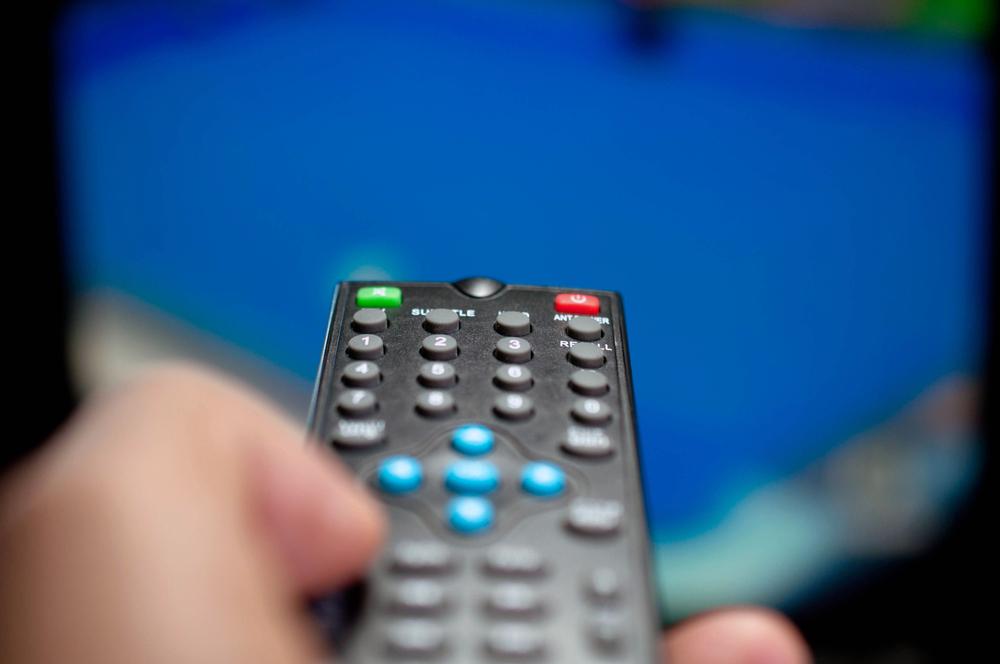
It can seem like trying to locate an elusive needle when you are looking for the universal remote that can do exactly what you need. The majority of these devices operate on either an infrared or radio frequency, and your remote must be able to emit either or both of them if it is going to control all of them. The device you are trying to control will determine the type of signal you should be using , as there are some limitations to each kind of. For instance the majority of devices do not support an RF-only signal. On the other hand, some TVs support only IR signals, and your remote must support both of them if you need to. To generate extra information on universal remote codes please check out www.universalremotecodes.info/.
There are various kinds of universal remotes that are available these days, each of which offers an individual level of control over the various components in your entertainment centre or home theatre system. They also offer various levels of sophistication when it comes to programming them. Here are some of the most frequently used universal remotes: Remote Control Universal Remote Control - This is your basic, entry-level remote that controls the operation of up to 8 devices (it typically comes with four double-digit buttons which correspond to various device codes).

For instance, you shouldn't use Sony as a replacement for Panasonic equipment, and reverse it because it can cause major harm. Fourthly make sure that you program the correct model number for your electronics even though you may own the appropriate remote for the device. Finally, if you're experiencing issues with universal remote codes, check the website of the manufacturer. Sometimes the companies will release additional codes when their devices are compatible with them. To set up your universal remotes simply find the code for you device(s) followed by the instructions in its instruction manual to activate this code.
Universal Remote with Learning Function This universal remote lets users to create new control codes (generally via an internet-based database) by using a learning function. It is accomplished by connecting an original controller that was included with the gadget in addition to "teaching" the learning remote how it operates. For example, on some models it is possible to press play on one remote, and then move to fast forward on another remote. This information is programmed into your universal remote. This means that when you press the play button it will play the video fast forward.